

What are eating disorders?
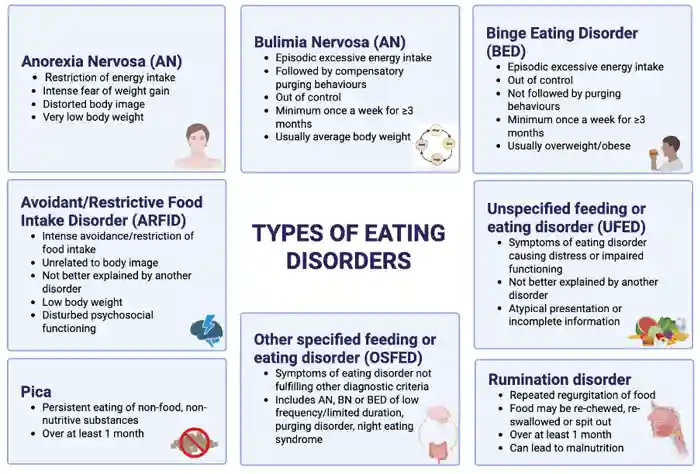
Figure 1 – Main types of eating disorders. Image created using Biorender.
Eating disorders are a group of mental health disorders resulting in unhealthy eating behaviours and negative views around body weight or shape. This can harm both physical health and psychological wellbeing. Figure 1 summarises the main features of common eating disorders.
In anorexia nervosa people have very low body weight due to extreme dieting and/or excessive exercise. They fear gaining weight and have negative thoughts about their body image.
Bulimia nervosa involves cycles of episodic and excessive eating. During this time, people eat large amounts of food, which is out of their control (binge). They then try to ‘get rid’ of the excess food (purge) by using laxatives, fasting, exercising excessively or making themselves sick. Cycles occur at least once a week for three or more months.
People with ‘binge eating disorder’ have similar bingeing episodes but without any purging behaviours. They tend to have body weights above the healthy range.
People with avoidant/restrictive food intake disorder (ARFID) avoid certain foods because of negative feelings over the smell, taste or texture of food, or past negative experiences with food. Negative thoughts about weight or body shape are not associated with ARFID however it can result in a very low body weight.
Pica is seen when people persistently eat non-food substances which lack any nutrients for at least one month. These can include hair, paint, dust and paper among others.
In rumination disorder, recently consumed food is repeatedly brought up without feeling sick occurring over a minimum of one month. Food can then be re-chewed, re-swallowed or spat out. It can lead to malnutrition and weight loss as well as tooth decay.
OSFED is an umbrella term used for people with an eating disorder that do not fit the criteria of any other disorder. Some specific examples of OSFED include:
- Atypical anorexia - people who have all the symptoms of anorexia nervosa except for their weight which is higher than that seen in anorexia nervosa.
- Bulimia nervosa of low frequency and/or limited duration - people who have all the symptoms of bulimia nervosa, but the cycles occur less often.
- Binge eating disorder of low frequency and/or limited duration - people who have all the symptoms of binge eating disorder, but the binges occur less often.
- Purging disorder - people with purging behaviours without any bingeing.
- Night eating syndrome - people who regularly wake up from sleep at night to eat or eat large amounts of food after the evening meal.
People who do not belong to any of the above may still have an eating disorder and are grouped into the unspecified feeding or eating disorder (UFED) category. This term can also be used when there is not enough information.
Eating disorders and hormones
Our eating habits can strongly affect hormone balance. In turn, hormones control our overall growth and development, bone health, puberty, fertility, alertness and appetite. In eating disorders, the effects of unhealthy eating patterns on hormones can cause physical and psychological problems.
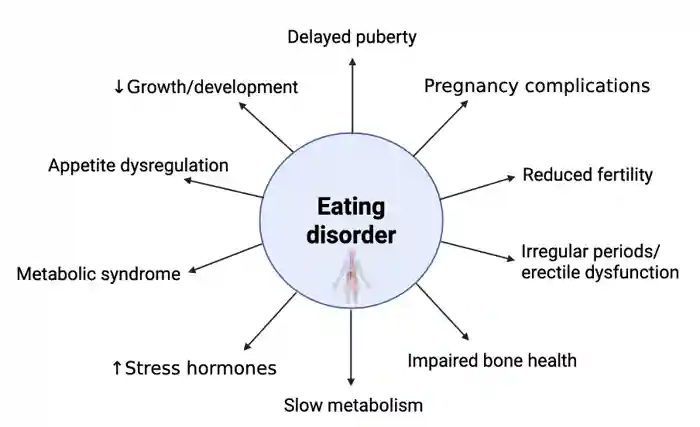
Figure 2 – Consequences of eating disorders. Image created with Biorender.
Effects on metabolism
Metabolism is how the body turns food into energy. It helps us grow, repair and controls important body functions. Hormones are essential in regulating the body’s metabolism, many of which can be affected by eating disorders.
When an eating disorder starts in early years, when most growth and development happen it can disrupt metabolism with a lasting effect. Puberty may be delayed and bones may fail to grow, causing reduced growth and weaker bones (osteoporosis) later in life.
Eating disorders associated with too little energy intake (like anorexia nervosa, ARFID, pica or rumination disorder) cause the body to try to save energy by slowing down metabolism. This can be seen as a lower body temperature and heart rate, reduced levels of thyroid hormones (feeling tired and cold, constipation, dry skin), reduced muscle mass and reduced growth and fertility.
Eating disorders associated with eating too much (such as binge eating disorder) can result in metabolic syndrome with increased risk of high cholesterol, heart disease, stroke, and type 2 diabetes. They are associated with increased weight and fat as well as insulin resistance (where the body struggles to use insulin effectively to lower blood sugar levels).
Even in eating disorders where the body gets the appropriate amount of energy (such as bulimia nervosa), chaotic eating patterns can upset metabolism and key hormones like cortisol and insulin.
Effects on stress hormones
Eating disorders can increase ‘stress hormones’ such as cortisol and growth hormone. These can lead to sleep problems, feelings of anxiety, depression and panic as well as physical effects like faster heart rate and higher blood pressure.
Effects on puberty, growth and development
Puberty is a key period when many changes occur to prepare a person to change from a child to adult. These include processes involved in growth, development and sexual maturation. Not only can it determine the development of an individual, but it also requires a lot of energy. Because of this, restrictive eating disorders can delay puberty and growth. Some people catch up after recovery, but some effects can last (e.g. shorter than expected impaired sexual maturation).
Effects on fertility and pregnancy
Eating disorders often affect young people during their most fertile years. Unhealthy eating styles can lead to changes in reproductive hormones. Some women might experience a delay in having their first period, irregular periods or no periods at all. Some may suffer from infertility (difficulty getting pregnant) and men might lose their sex drive. This is the body’s way of saving energy for more essential body functions. After recovery from an eating disorder, the hormones usually become re-balanced, but this might take a long time or may not always happen.
In the few cases where pregnancy does occur, eating disorders also have an impact on reproductive hormones during pregnancy, affecting both the mother and baby. There are higher risks during and after pregnancy. However, most pregnant women who have recovered from eating disorders have healthy pregnancies.
Effects on bone health
Eating disorders affect bone health leading to weaker bones which break more easily. Bone mass is built mostly during adolescence and early adulthood, with up to 90% of the peak bone mass reached by the age of 18 (Golden et al, 2014). People who develop an eating disorder during this time suffer the most with their bone health.
Poor nutrition can slow bone production and increase bone breakdown. This increases the risk of broken bones, chronic pain and reduced strength. These impact on daily functioning and wellbeing. Important hormones for bone health include oestrogen and testosterone (gonadal hormones), cortisol, growth hormone and certain gut hormones.
Eating disorders and appetite
Eating disorders can be caused partly by hormonal imbalances but can also lead to changes in hormone levels. Some such hormones are released from the gut and control hunger.
In restrictive eating disorders, hunger hormones, like ghrelin, tend to be high increasing appetite. This may lead to overeating and a high body weight.
Conclusion
Living with an eating disorder can be very difficult on a person with serious physical and psychological consequences. Understanding the impact of eating disorders on health and wellbeing is important as well as seeking help for better chances of recovery.
What patient support groups are available for people with eating disorder?
Beat is a UK charity organisation and patient support group providing advice and support to people with eating disorders and their families. It works with the NHS to provide services to those in need and train healthcare professionals.