

Alternative names for eating disorders
Feeding and eating disorders
What are eating disorders?
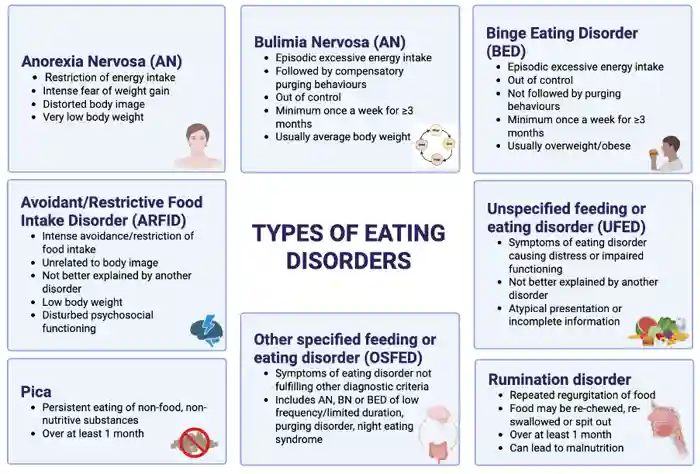
Figure 1 – Different types of eating disorders. Image created using Biorender.
Eating disorders result in unhealthy eating behaviours and negative views around body weight or shape. These can harm both physical health and psychological wellbeing. There are many different types of eating disorders. The main ones are summarised in figure 1.
What causes eating disorders?
There is no single cause and can develop for a variety of reasons:
- Psychological:
- Stress – reacting to stress can result in an unhealthy relationship with food for example, as a coping mechanism to deal with stress.
- Mental health problems – people suffering with their mental health are more at risk.
- Social:
- Social pressure - certain social groups promote specific body shapes as desirable. Constant exposure to social media and the so‑called “ideal” body images can shape how a person views their own body and creates pressure to conform. This can contribute to unhealthy eating behaviours and negative thoughts about body image.
- Criticism - experiences such as bullying or ongoing criticism related to body shape, weight, or eating habits can place individuals at increased risk.
- Cultural:
- Culture – in some cultures, food plays a central and meaningful role. At times, individuals may feel pressure to adhere to cultural expectations around eating, which can contribute to unhealthy eating habits or attitudes towards food.
- Developmental:
- Family – the habits we grow up with can influence our relationship with food and how we feel about our body. Also, people living with others who suffer with eating disorders are more at risk of developing one.
- Biological:
- Genetics – several genetic changes can increase the risk of developing an eating disorder. People with a family history of eating disorders are also more at risk of developing one.
- Neurobiology – changes in the balance of brain hormones can increase the risk.
What are the signs and symptoms of an eating disorder?
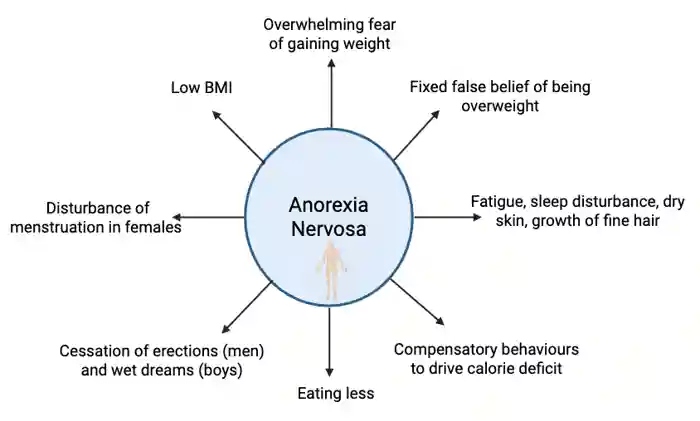
Figure 2.1 – Signs and symptoms of anorexia nervosa. Image created using Biorender.
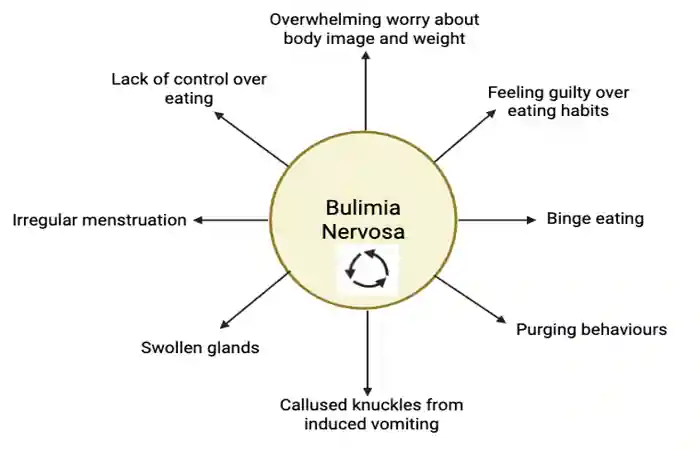
Figure 2.2 – Signs and symptoms of bulimia nervosa. Image created using Biorender.
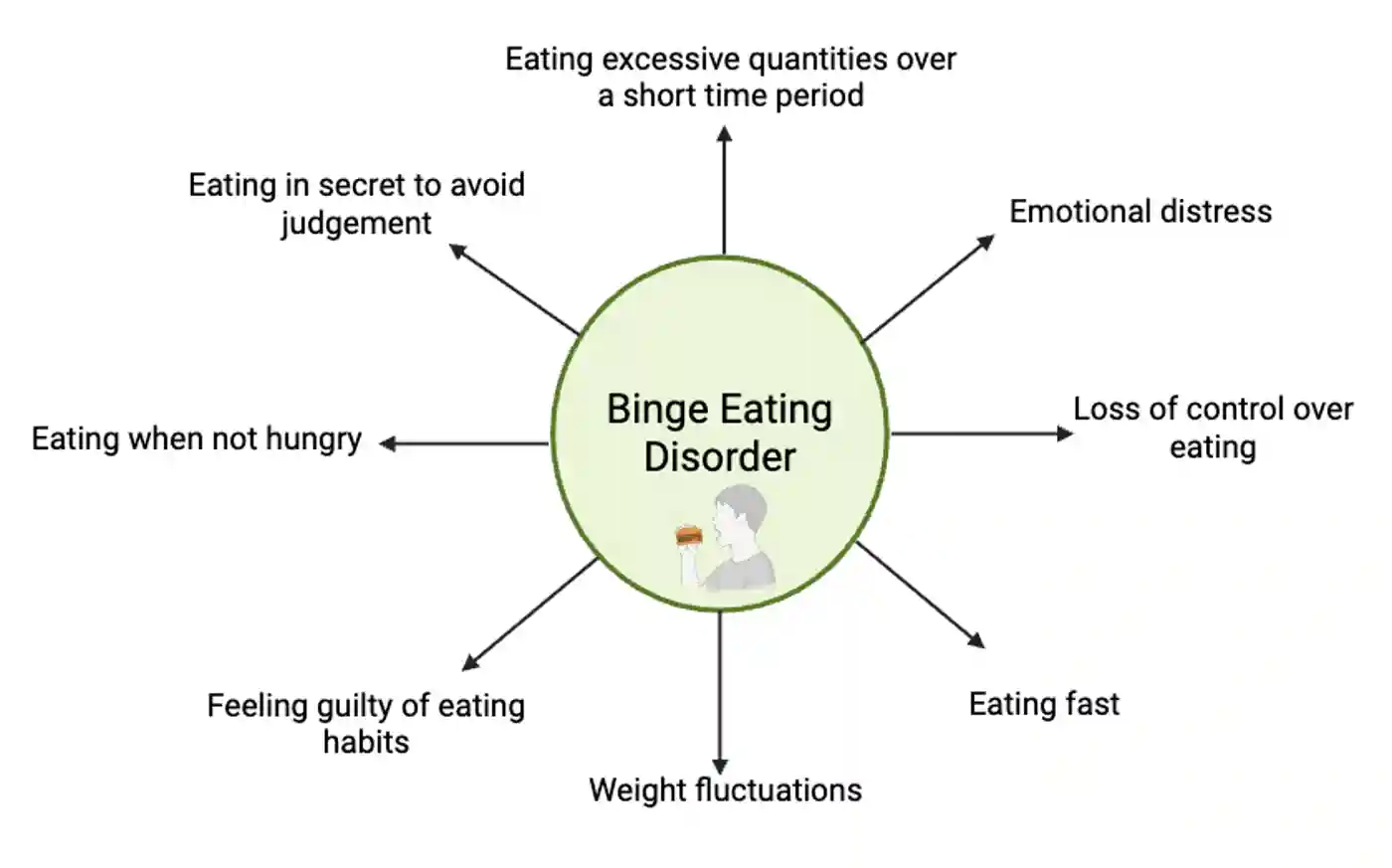
Figure 2.3 – Signs and symptoms of binge eating disorder. Image created using Biorender.
The signs and symptoms differ depending on the type of eating disorder. Figure 2 describes common signs and symptoms of anorexia nervosa, bulimia nervosa and binge eating disorder.
How common are eating disorders?
Anorexia nervosa affects up to four in 100 people over their lifetime, The highest rates are seen in people aged 15 to 19 years old. It is more common in females (Eeden et al 2021, NHS Digital 2023).
Bulimia nervosa is more common in late adolescence and young adults aged 15 to 25 years old and more common in females. On average, it can affect up to two in 100 people at any one point in time. It is mostly seen in Western countries (Ge et al. 2025).
Binge eating disorder is more common in males and tends to present at an older age compared to other eating disorders. Around two in 100 females and seven in 1000 males are affected at any one point in time (NICE CKS, 2024).
Atypical eating disorders include other specified feeding or eating disorder (OSFED) and unspecified feeding or eating disorder (UFED) which are the most common eating disorders. UFED is seen in up to ten in 100 females and one in 100 males at any one point in time (NICE CKS, 2024, Beat).
Are eating disorders inherited?
The risk of developing an eating disorder is higher in people with close relatives who have an eating disorder, however, this can also be due to shared attitudes towards food and body image. Although no specific gene has been identified, genetic factors can increase the risk.
How are eating disorders diagnosed?
Most eating disorders are diagnosed by doctors in the community. Many people who are diagnosed visit their doctor for an unrelated reason and diagnosis is made after a clinical interview. The doctor might ask questions about eating habits, feelings about food, mood and general health. A physical examination and some blood tests are often useful to check for any complications. However, some people may visit the hospital directly due to physical complications of eating disorders and be referred to specialist services. Unfortunately, some people do not visit any healthcare professional and do not get any support for their eating disorder. Lack of medical attention can even be life-threatening.
What hormonal changes occur?
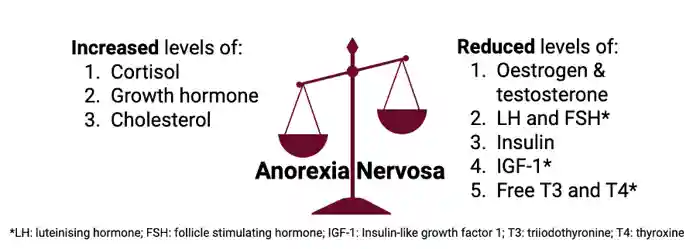
Figure 3 – Hormonal changes in anorexia nervosa. Image created with Biorender.
Some eating disorders can result in changes in the hormone levels in the body. In anorexia nervosa, the hormonal changes occur due to lack of nutrients. The body then tries to save energy sparing functions like metabolism, reproductive health, growth and development. Figure 3 shows the changes in hormones typically seen in anorexia nervosa. Similar hormonal changes can be seen in other restrictive eating disorders. However, most hormones return to normal when the eating disorder is treated, but this can take time. For more information, read our article on eating disorders and hormones.
How are eating disorders treated?
Managing eating disorders involves a team of professionals. If your doctor thinks that you might be dealing with an eating disorder, they might refer you to specialist services for further support.
Treatments can include:
- Talking therapies are used to understand the problem and identify ways to deal with it.
- Dietary advice is also provided alongside nutritional supplements.
- Medication such as antidepressants may help to support other diseases which are more common in people suffering with eating disorders.
Most people are treated while living at home and attend regular clinic appointments. However, for serious cases, more intense support may be needed, and they may be admitted to hospital.
What are the longer-term implications of eating disorders?
Without treatment, most eating disorders will get worse over time and most people with a serious eating disorder will end up having some sort of treatment. Although treatment usually carries on for a long time, many people do recover. Ultimately, if left untreated, an eating disorder can cause serious physical and psychological damage. There is greater risk of developing metabolic disorders like diabetes, reduced bone health, heart and gut problems, issues with tooth health, problems related to fertility, stunted growth and difficulties with psychological wellbeing. In very extreme cases, eating disorders can be life-threatening.
What patient support groups are available for people with eating disorder?
Beat is a UK charity organisation and patient support group providing advice and support to people with eating disorders and their families. It works with the NHS to provide services to those in need and train healthcare professionals.